
Category: Testing & Quality Assurance
How purity, identity and safety are verified through independent laboratory testing and Certificates of Analysis.
-
Peptide endotoxin testing: a practical guide for researchers
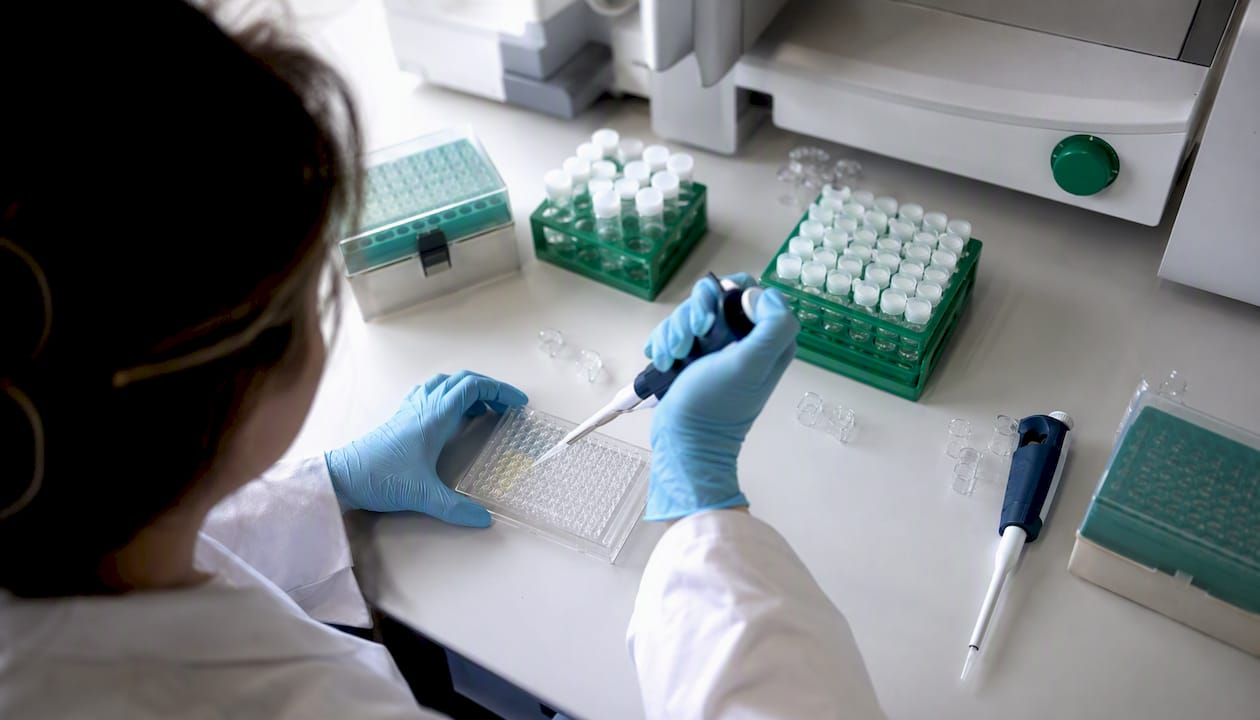
Explore essential methods for peptide endotoxin testing in research. Ensure accuracy and compliance with our practical guide to testing techniques. Read more
-
How to Read a Certificate of Analysis
A Certificate of Analysis can look intimidating — a page of chromatograms, retention times, and numbers. But you don’t need to be an analytical chemist to tell a solid COA from a weak one. Here’s a field guide to the sections that matter. 1. Identity Start at the top: does the COA name the exact… Read more
-
HPLC vs Mass Spectrometry: How Purity and Identity Are Verified
When a research peptide is described as “verified,” two analytical techniques usually sit behind that claim: high-performance liquid chromatography (HPLC) and mass spectrometry (MS). They answer different questions, and a credible verification process uses both. Here’s what each one actually does, in plain terms. HPLC: measuring purity High-performance liquid chromatography separates the components of a… Read more
-
What a Certificate of Analysis Actually Proves (and Why Supplier COAs Aren’t Enough)
A Certificate of Analysis (COA) is the single most important document attached to any research compound — yet it’s also one of the most misunderstood. A COA is only as trustworthy as the laboratory that issued it and the methods behind it. This article explains what a COA actually proves, and why a supplier’s own… Read more
